Choosing the right hair colour for your skin tone is more than just a fashion statement; it’s a way to enhance your natural beauty and express your personality. But with so many shades and hues available, how do you know which one will look best on you? The secret lies in understanding your skin tone. Like choosing the right foundation or clothing colour, selecting a hair colour that complements your skin tone can make all the difference in achieving a vibrant and flattering look.
In this guide, we’ll walk you through the process of identifying your skin tone and provide expert tips on selecting the perfect hair colour to match. Whether you want to make a bold change or freshen up your current look, this article will help you make an informed decision that leaves you feeling confident and beautiful. So, let’s dive in and discover how to choose the right hair colour for your unique skin tone!
Understanding Skin Tones
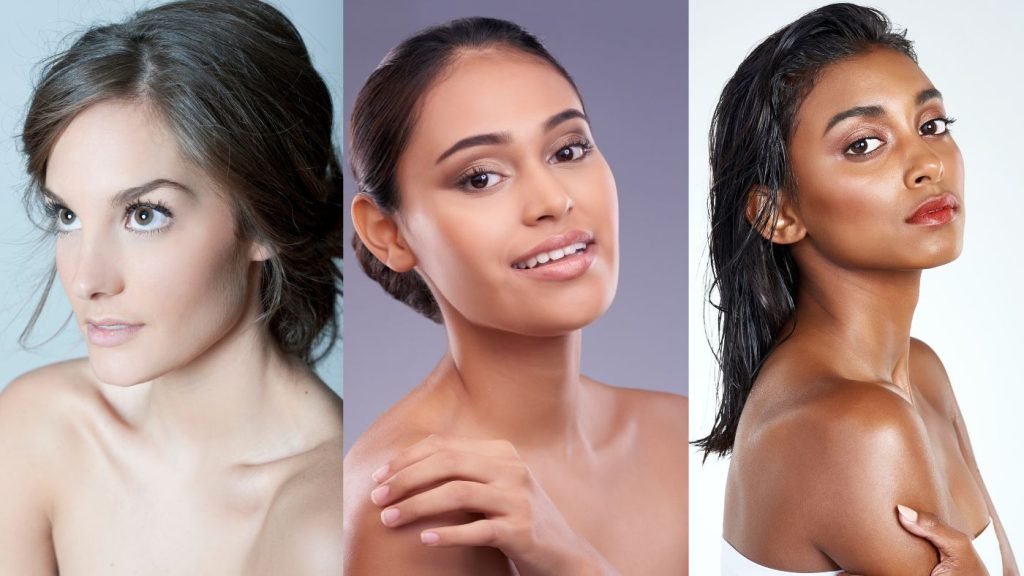
What is Skin Tone?
Your skin tone is the natural colour of your complexion, but there’s more to it than meets the eye. It’s not just the surface colour of your skin; it’s also about the undertones beneath the surface that play a crucial role in determining which colours, including hair colours, will suit you best. While skin tone can range from light to dark, undertones are generally classified into three main categories: warm, cool, and neutral. Understanding both your skin tone and undertone is essential for selecting a hair colour that enhances your natural beauty rather than clashing with it.
Identifying Your Skin Tone
To choose the right hair colour, it’s important to first identify whether your skin tone falls into the warm, cool, or neutral category. Here’s how to tell:
Warm Skin Tones: If your skin has golden, peachy, or yellow undertones, you likely have a warm skin tone. People with warm skin tones often tan easily and may notice a yellow or olive hue in their skin. Common characteristics include golden or hazel eyes and naturally blonde, red, or brown hair with golden or reddish highlights.
Cool Skin Tones: Cool skin tones are characterized by pink, red, or bluish undertones. If your skin burns easily, has a rosy or reddish complexion, or your veins appear blue rather than green, you likely have a cool skin tone. People with cool skin tones often have blue or green eyes and naturally lighter or darker hair without warm highlights.
Neutral Skin Tones: If your skin doesn’t have a strong warm or cool undertone, you may have a neutral skin tone. Neutral tones have a balanced mix of both warm and cool undertones, giving them flexibility in choosing a wide range of hair colours. People with neutral skin tones may have any eye colour and hair that can vary from blonde to black.
Quick Tips to Determine Your Skin Tone
Not sure where you fit in? Here are some quick and easy tests to help you determine your skin tone:
Vein Test: Look at the veins on the inside of your wrist. If they appear more greenish, you likely have a warm skin tone. If they look more blue or purple, your tone is likely cool. If you can’t quite tell, you might have a neutral skin tone.
Jewellery Test: Think about whether you look better in gold or silver jewellery. Gold tends to complement warm tones, while silver is more flattering on cool tones. If you look good in both, you probably have a neutral tone.
The White Paper Test: Hold a sheet of white paper next to your face in natural light. If your skin looks more yellow or golden, you have a warm tone. If it appears pink, rosy, or bluish, you have a cool tone. If your complexion looks neither too yellow nor too pink, you might have a neutral tone.
By understanding your skin tone and undertone, you’re one step closer to finding the perfect hair colour that complements your natural complexion, making you look and feel your best.
Best Hair Colors for Different Skin Tones
Hair Colors for Warm Skin Tones
If you have a warm skin tone, the goal is to choose hair colours that enhance the golden, peachy, or yellow undertones in your complexion. Warm tones pair beautifully with rich, vibrant colours that add warmth to your look. Here are some particularly flattering hair colours:
Rich Browns: Shades like chestnut, chocolate, and golden brown bring out the warmth in your skin, creating a harmonious and glowing appearance.
Warm Blondes: Golden blonde, honey blonde, and caramel are excellent choices that blend seamlessly with warm undertones, giving your hair a sun-kissed effect.
Auburn and Copper: These reddish-brown shades work well with warm skin tones, adding a subtle yet striking contrast that enhances your natural glow.
Avoid: Ashy tones, such as ash blonde or ash brown, can make your skin look dull and washed out by contrasting too starkly with your warm undertones.
Hair Colors for Cool Skin Tones
Cool skin tones are complemented by hair colours that highlight the pink, red, or bluish undertones in your complexion. Opt for cool, icy shades that create a striking contrast, giving you a vibrant and fresh appearance. Here are some ideal hair colours for cool skin tones:
Platinum and Ash Blondes: These cool, light shades, like platinum blonde or ash blonde, enhance the natural coolness in your skin, giving you a chic and sophisticated look.
Cool Browns: Colors like mocha, espresso, and cool chocolate brown work well with cool undertones, providing a balanced yet rich appearance.
Burgundy and Deep Reds: For a bolder look, consider deep red shades like burgundy or wine, which add depth and vibrancy to your overall look.
Cool Black: Shades of black with a blue or violet undertone, such as jet black, can create a stunning contrast with cool skin tones.
Avoid: Warm shades like gold, copper, or caramel can clash with cool undertones, making your complexion appear sallow or uneven.
Hair Colors for Neutral Skin Tones
If you have a neutral skin tone, you’re in luck—most hair colours will suit you! The key is to find a balance between warm and cool shades that enhance your natural complexion without overpowering it. Here are some versatile hair colours that work well with neutral skin tones:
Beige Blonde: A balanced, neutral blonde shade like beige blonde or sandy blonde is ideal for neutral skin tones, offering a soft and natural look.
Chocolate Brown: A rich, medium-brown shade like chocolate brown provides the perfect mix of warm and cool undertones, making it a safe yet stunning choice.
Soft Reds: Neutral tones can handle both warm and cool shades, so consider soft red or copper shades that aren’t too intense, offering just the right pop of colour.
Balayage and Ombre: For a dynamic look, consider balayage or ombre styles that blend both warm and cool shades, creating a multi-dimensional effect that complements your balanced skin tone.
Avoid: Extremely warm or cool tones might overpower your natural balance, so it’s best to steer clear of extremes like overly yellow blondes or deep, cool blacks.
By selecting hair colours that align with your skin tone, you can enhance your natural beauty and achieve a look that feels both fresh and flattering. Whether you’re leaning towards warm, cool, or neutral shades, the right hair colour can make all the difference in your overall appearance.
Conclusion
Choosing the right hair colour is more than just following trends—it’s about finding a shade that complements your skin tone and highlights your natural beauty. By understanding whether your skin tone is warm, cool, or neutral, you can make informed decisions that enhance your complexion and give you a fresh, radiant look.
Remember, while this guide provides a solid foundation, hair colour is a deeply personal choice. Don’t be afraid to experiment with temporary colours or consult with a professional stylist to find the perfect match for you. Ultimately, the best hair colour is the one that makes you feel confident and beautiful every time you look in the mirror.
Now that you have the tools to choose the right hair colour for your skin tone, why not take the plunge? Whether you’re looking for a subtle change or a bold new look, the perfect hair colour is waiting to bring out the best in you. Share your hair colour journey with us in the comments, and let’s celebrate the beauty of finding the perfect shade!